
Chapter 1 – Our Social Life
Observe the first three images below and find the answer to the question posed in the final image. (page no 87)
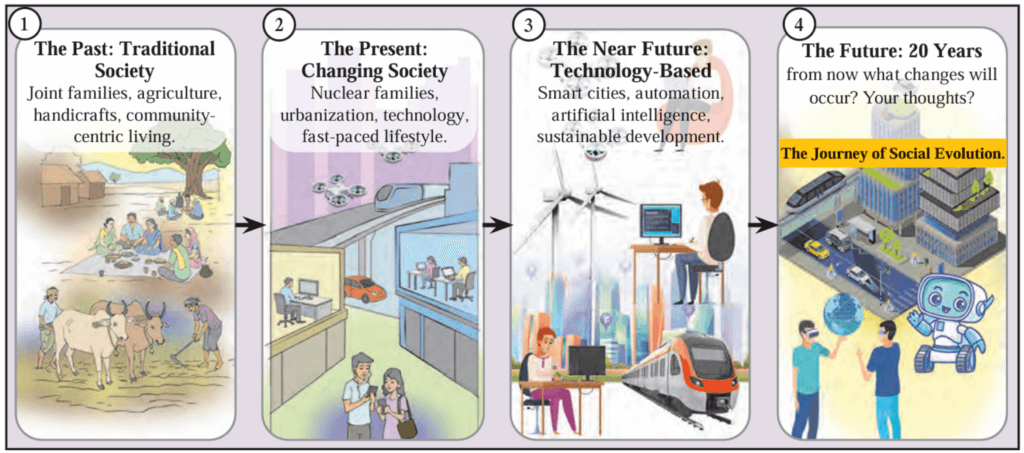
Ans: In the next 20 years, society may become more advanced and technology-driven. Artificial intelligence and robots may help people in their daily lives, education, healthcare and workplaces. Smart cities, electric vehicles and renewable energy may become more common. People may work and learn from anywhere using advanced technology. At the same time, environmental protection and sustainable development will become more important. Families and lifestyles may continue to change, but human relationships, cooperation and community values will remain essential.
Let’s Do It. (page no 88)
Create a chart depicting your family to illustrate the division of labour within the household. Prepare a list of the various household chores that you personally perform.
Ans:
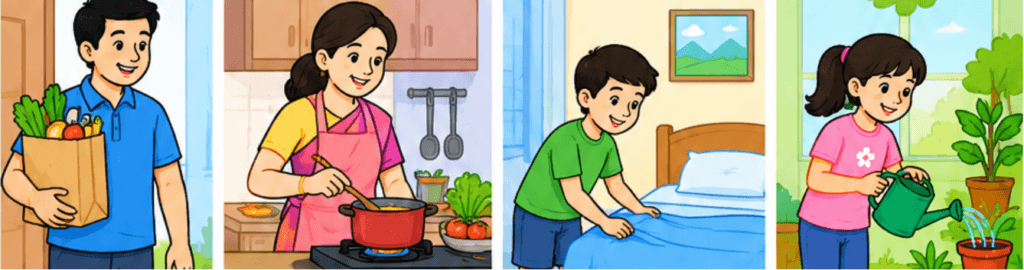
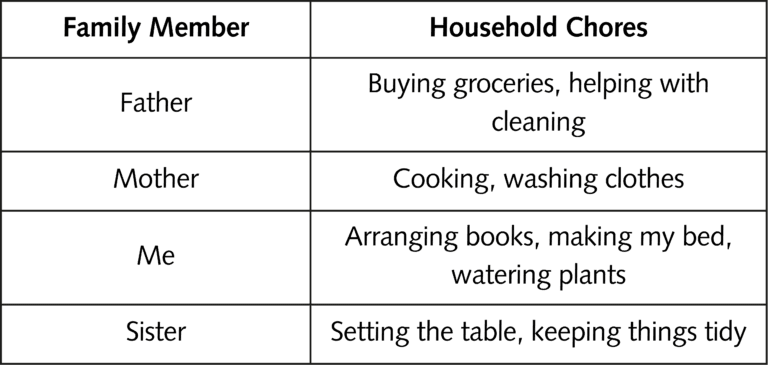
My Household Chores
1) Making my bed.
2) Keeping my room clean.
3) Arranging my books and school bag.
4) Watering the plants.
5) Helping to set the dining table.
6) Keeping my toys and belongings in place.
Let’s Do It. (page no 89)
1) Prepare a list of the various artistic talents and interests that your friends possess.
Ans: My friends possess various artistic talents and interests such as drawing, painting, singing, dancing, acting, storytelling, playing musical instruments, writing poems, craft-making and photography.
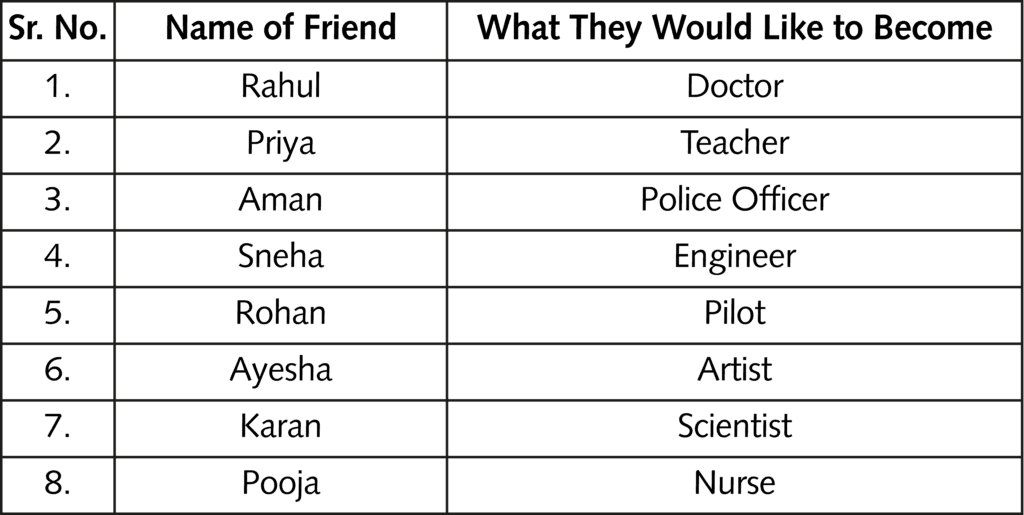
2) Prepare a chart after discussing with your friends what they would like to become when they grow up.
Ans:
Think and Tell. (page no 91)
Which languages are spoken in your locality?
Ans: Marathi, Hindi, Urdu and English are spoken in my locality.
In Maharashtra, the festival of Makar Sankranti is celebrated during the month of January. Similarly, what are the festivals celebrating solar transition in the month of January are called in other regions? (page no 91)
Ans: In other regions of India, festivals celebrated around the time of Makar Sankranti include Pongal in Tamil Nadu, Lohri in Punjab, Magh Bihu in Assam and Uttarayan in Gujarat.
Find Out. (page no 91)
Prepare a list of popular sweet dishes found in various parts of the country.
(For example: Maharashtra – Puran Poli)
Ans: Popular Sweet Dishes of India are;
1) Maharashtra – Puran Poli
2) Gujarat – Mohanthal
3) Rajasthan – Ghewar
4) Punjab – Pinni
5) West Bengal – Rasgulla
6) Bihar – Thekua
7) Tamil Nadu – Payasam
8) Kerala – Ada Pradhaman
9) Karnataka – Mysore Pak
10) Andhra Pradesh – Pootharekulu
11) Uttar Pradesh – Petha
12) Assam – Pitha
13) Odisha – Chhena Poda
14) Telangana – Qubani ka Meetha
15) Jammu and Kashmir – Shufta
Note: These are examples of sweets associated with different regions of India, not an exclusive list. Some dishes are also enjoyed in neighbouring states.
Find Out. (page no 92)
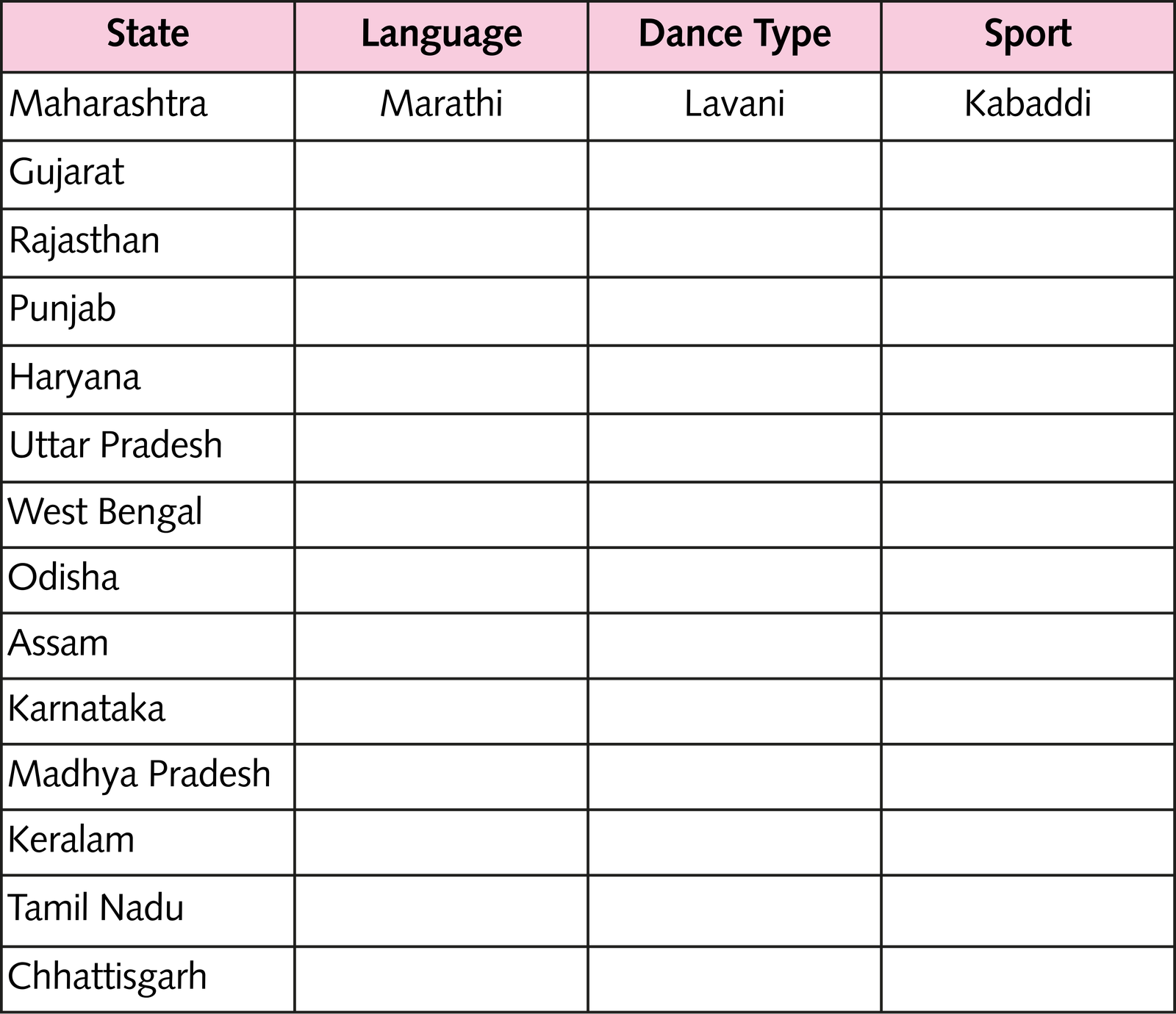
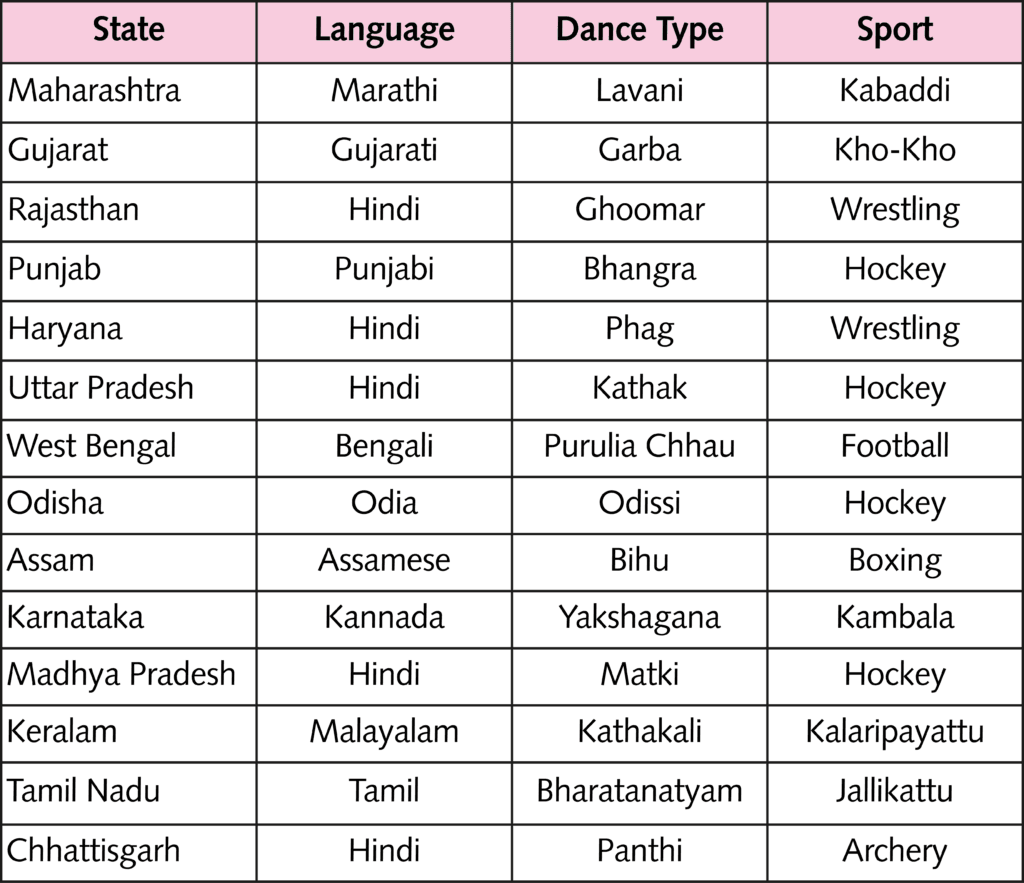
Ans:
Exercises
Q. 1 Identify and write:
1) To fulfill their need for food, the occupation humans started __________.
Ans: agriculture
2) The social institution where individuals live together and care for one another based on blood ties, marriage or adoption __________.
Ans: family
3) The staple food of India’s southern coastal region __________.
Ans: rice
Q. 2 Prepare a list of at least five languages that you are familiar with.
Ans: Five languages I am familiar with are:
1) Marathi
2) Hindi
3) English
4) Urdu
5) Gujarati
Q. 3 Explain the following concepts:
1) Society
Ans: Society is a system of relationships existing among the individuals living within it. It encompasses every individual-including the elderly, adults, youth and young children.
2) The institution of family
Ans: A family is a social institution in which individuals live together and care for one another based on blood ties, marriage or adoption. It may be a joint family, consisting of grandparents, parents, uncles, aunts and children or a nuclear family, consisting of parents and children.
Q. 4 Explain in your own words why society requires rules, norms and laws.
Ans: Society requires rules, norms and laws to ensure the smooth functioning of social interactions. Since it is not feasible for every individual to perform every task, the division of labour takes place within society. Rules and laws are established according to the diverse customs and traditions of its various groups to maintain order in society.
Q. 5 Complete the concept map.
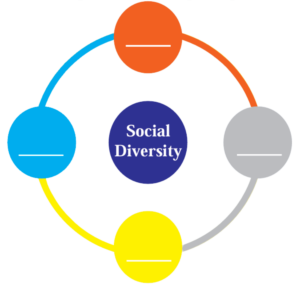
Ans:
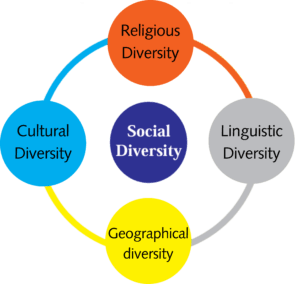
Q. 6 Let’s assess ourselves:
Are you an ‘Ideal Citizen’? Mark the appropriate symbol (✓) or (×) next to the following statements.
1) I dispose of garbage only in a dustbin.
Ans: ✓
2) I stand in a queue and do not push or shove others.
Ans: ✓
3) I do not waste water.
Ans: ✓
4) I help my neighbours and senior citizens.
Ans: ✓
5) I do not pluck flowers in public gardens
Ans: ✓
For other Chapters: