
Lesson 1 – Treasure of Nature
Let’s remember
1) Where does water on the Earth come from?
Ans: Water on the Earth comes from rain. Rain fills rivers, lakes, ponds, and underground water sources.
2) Where does rainwater go?
Ans: Rainwater goes into rivers, lakes, ponds, seas and the ground.
3) Where do we get water for use at home from?
Ans: We get water at home from taps, wells, rivers, lakes, and underground water.
4) From the time you wake up in the morning until you go to bed at night, note the various uses of water in your home.
Ans: Brushing teeth, washing face, bathing, drinking water, cooking food, washing fruits and vegetables, washing utensils, washing clothes, cleaning the house, watering plants, flushing the toilet, washing hands before meals, giving water to pets, washing after play and drinking water before bedtime.
Observe
Pictures of various water storage containers are shown below. Identify which of these containers are used in your home to store water. Write the name of each container below the picture.
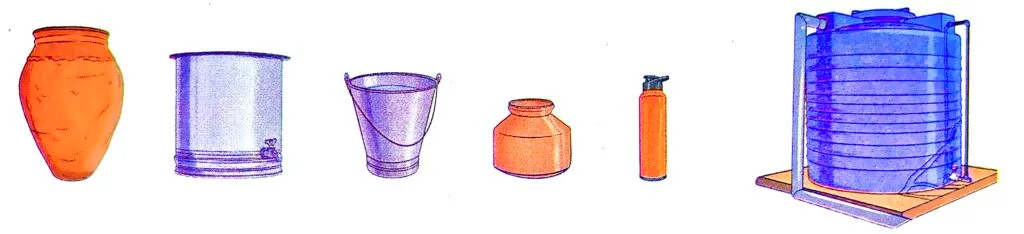
Ans: In my home, water is usually stored in buckets, water bottles and water drum. We also use earthen pots to keep drinking water cool.
From left to right, the containers are:
- Earthen Pot (Matka)
- Water Drum / Water Tank with Tap
- Bucket
- Water Pot
- Water Bottle
- Overhead Water Tank
Observe
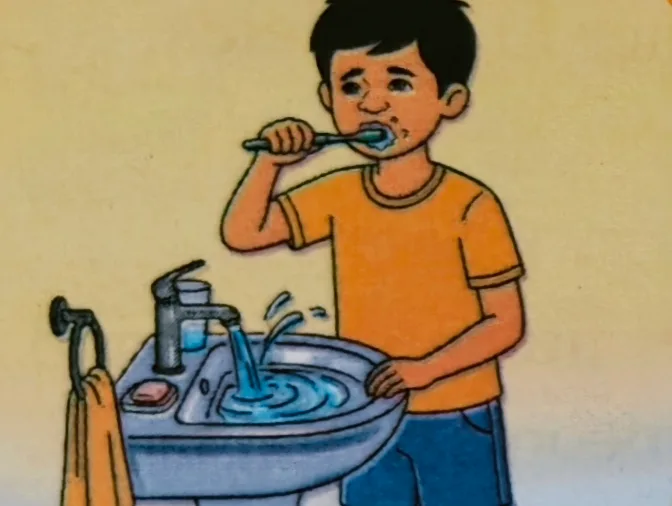
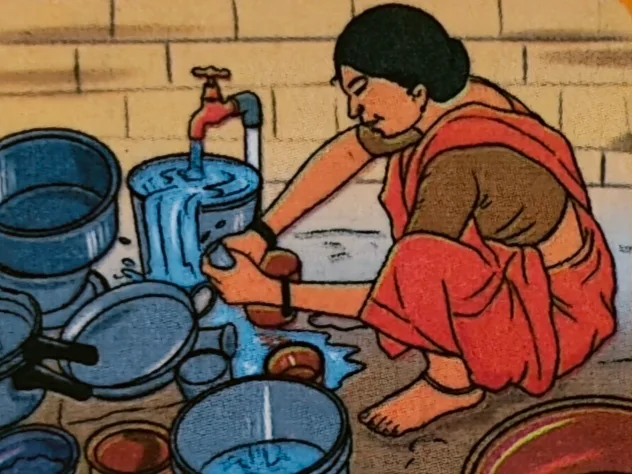
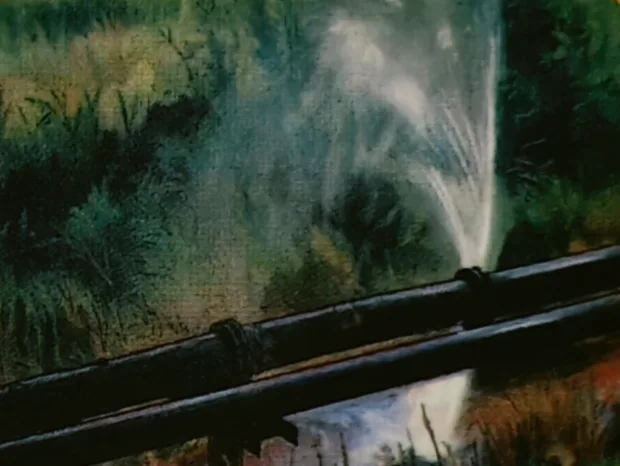
1) What did you realize after observing the above pictures?
Ans: I realized that a lot of water is being wasted by keeping taps open and by leaking pipes. We should use water carefully and avoid wasting it.
2) What will you do to prevent the wastage of water?
Ans: I will close taps properly after use, repair leaking taps and pipes, and use only the amount of water that is needed. I will also tell others not to waste water.
Try This
Make a list of various activities inside or outside your home that lead to water wastage. Additionally, discuss with your elders and friends how we can avoid the wastage of water, write it in your notebook.
Ans:
Activities that lead to water wastage:
- Keeping the tap running while brushing teeth.
- Leaving taps open after use.
- Washing vehicles with a hose pipe.
- Playing with water.
- Washing clothes with too much water.
- Not repairing leaking taps and pipes.
How we can avoid the wastage of water:
- Turn off taps when not in use.
- Repair leaking taps and pipes.
- Use a bucket instead of a hose pipe.
- Reuse water for watering plants and cleaning.
- Collect and store rainwater.
- Use water carefully and avoid wasting it.
Think
Would you use river water as it is for drinking? Give reason.
Ans: No, I would not use river water as it is for drinking. River water may contain dirt, germs, and harmful substances that can make us sick. It should be cleaned and made safe before drinking.
Write correct or incorrect.
1) The stored drinking water on the previous day has become stale, so it is poured out and the container is refilled.
Ans: Incorrect – Stored water does not become stale in one day if it is kept clean and covered.
2) To get drinking water, it is necessary to make the water safe.
Ans: Correct
Observe
In which of the following pictures does the water NOT flow away? Why?
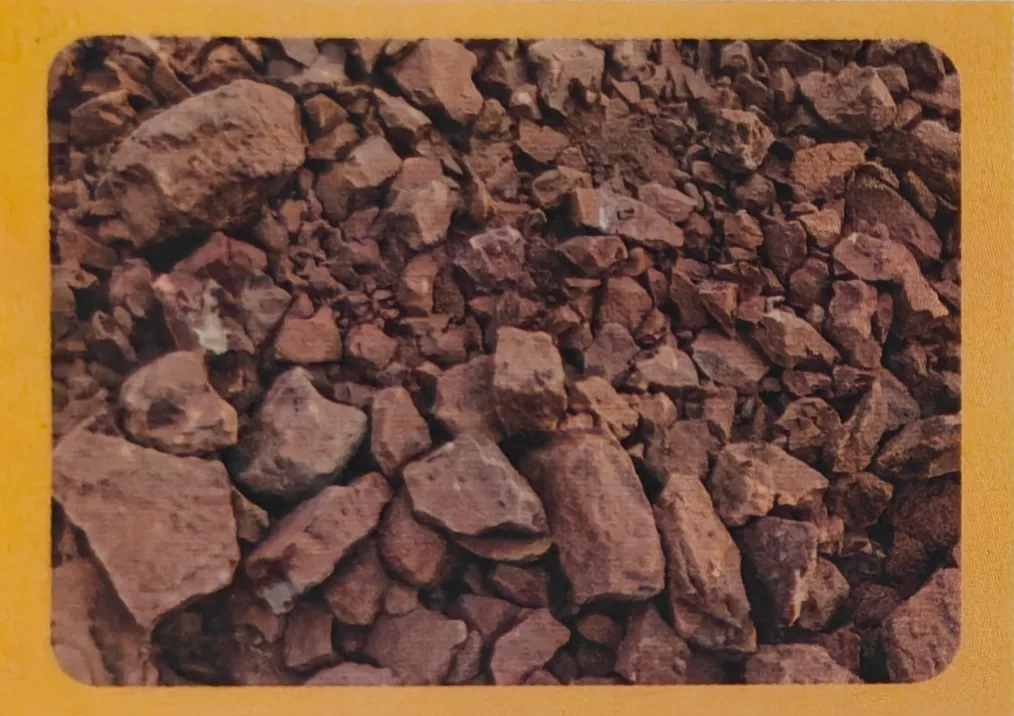
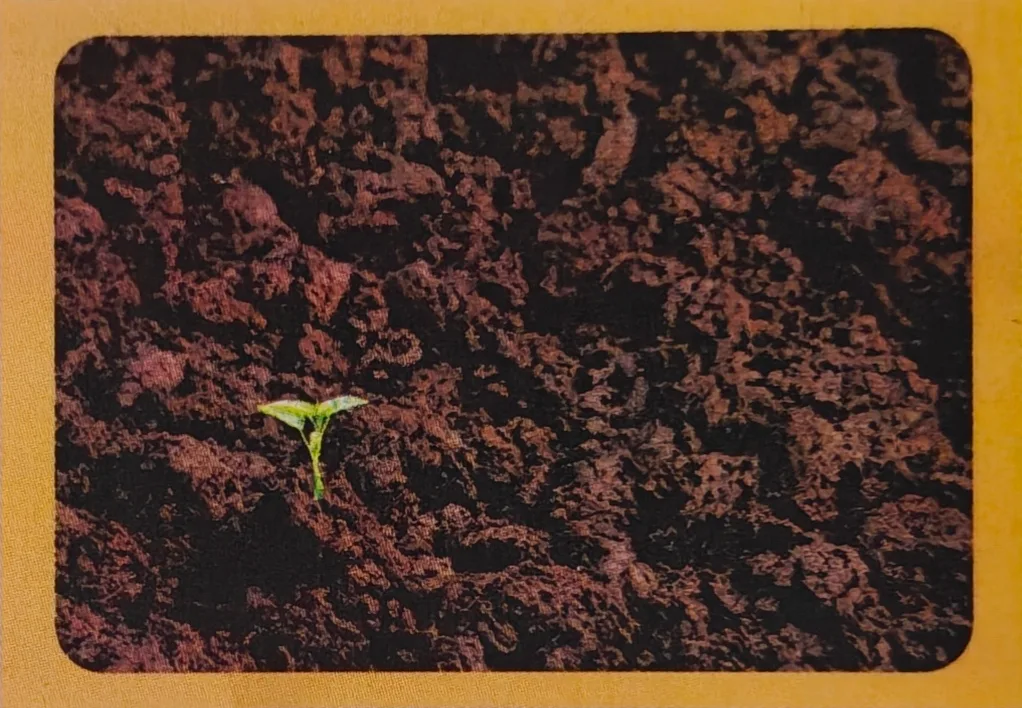
Ans: In the first picture with rocks and stones, water flows away because rocks and stones cannot absorb water. Water does not flow away in the second picture with soil because the soil absorbs and holds water. Water seeps into the soil and gets stored in it.
Think
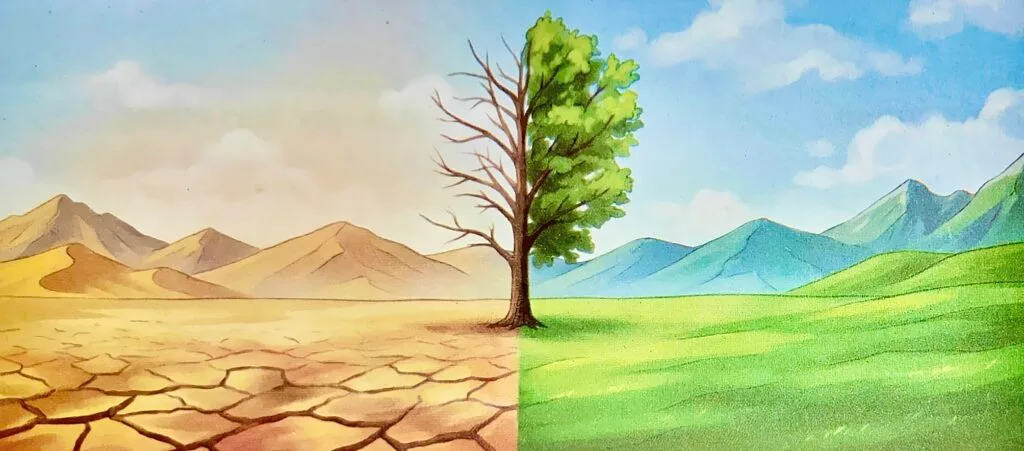
A Barren and Destructive Future
A Lush Green and Prosperous Future
Why is soil conservation necessary?
Ans: Soil conservation is necessary to stop soil from being washed or blown away. It helps keep the soil healthy and good for growing plants and crops.
Let’s Recall
Name the objects in your house or surroundings that are made from soil.
Ans: In my house and surroundings, many objects are made from soil. Bricks used in buildings, clay pots, earthen lamps (diyas), tiles and some cups and bowls are made from soil.
Try This
Collect samples of different types of soil from your surroundings. Wet the soil and make balls out of them. Observe them and complete the table below.
| Sr. No. | From where soil is collected? | Colour of the Soil | Characteristics of the Soil | Can soil balls be made? (Yes/No) |
|---|---|---|---|---|
1 | ||||
2 | ||||
3 | ||||
Ans:
| Sr. No. | From where soil is collected? | Colour of the Soil | Characteristics of the Soil | Can soil balls be made? (Yes/No) |
|---|---|---|---|---|
1 |
Garden |
Brown |
Soft and holds water |
Yes |
2 |
River bank |
Light brown |
Sandy and loose |
No |
3 |
Farm field |
Dark brown |
Soft and fertile |
Yes |
Let’s Revise
(A) Select and write the sources of water found in your area from the list below:
Lake, Sea, River, Dam, Well, Aad, Hand-pump, Barav, Stream, Spring, Waterfall, Reservoir.
Ans: In my area, the sources of water are rivers, wells, dams, reservoirs, and hand-pumps.
(B) Guess who I am.
(1) I am sticky and soft. I hold water easily.
Ans: Clayey soil
(2) I am like sand. I cannot hold water.
Ans: Sandy soil
(3) I am made up of sandy soil, clay soil and silt.
Ans: Loamy soil
(C) Answer the following questions.
(1) Write the uses of soil.
Ans: Soil is used for growing crops and plants. It is also used for making bricks, pots, and other clay articles.
(2) Write the causes of soil pollution.
Ans: Excessive use of chemical fertilizers and pesticides, and mixing factory waste and harmful substances into the soil cause soil pollution.
(3) What is meant by safe (potable) water?
Ans: Safe (potable) water is clean water that is safe for drinking and does not cause diseases.
(4) What are the causes of water pollution?
Ans: Soapy water, plastic, fertilizers, Plaster of Paris (POP) idols and chemicals mixed in water cause water pollution.
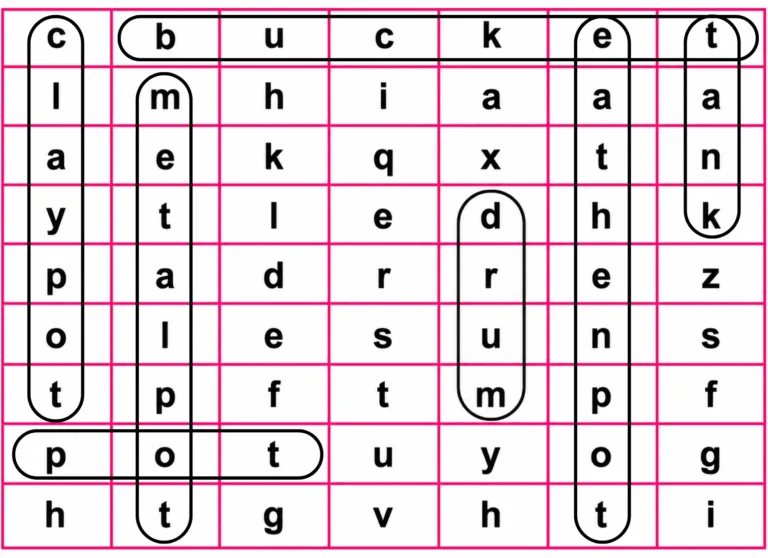
(D) Find the containers used to store water at home in the word puzzle given below. Draw a box around those words.
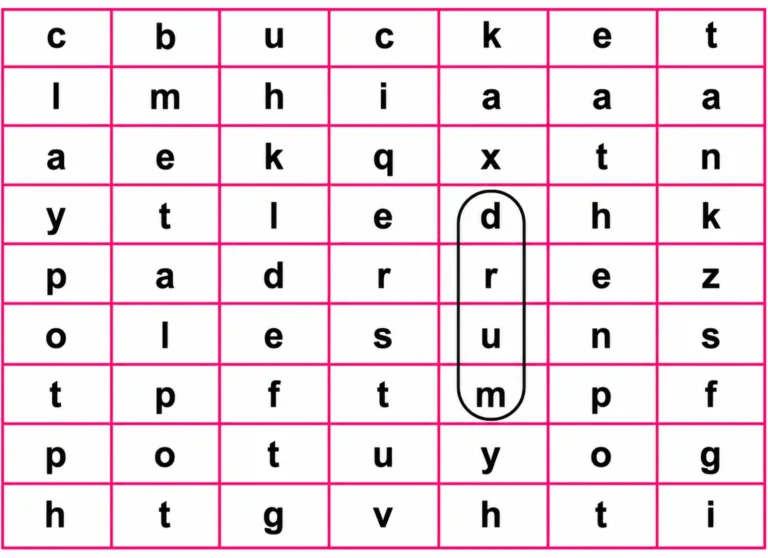
Ans:
(E) Observe the picture given below. Answer the following questions based on it.
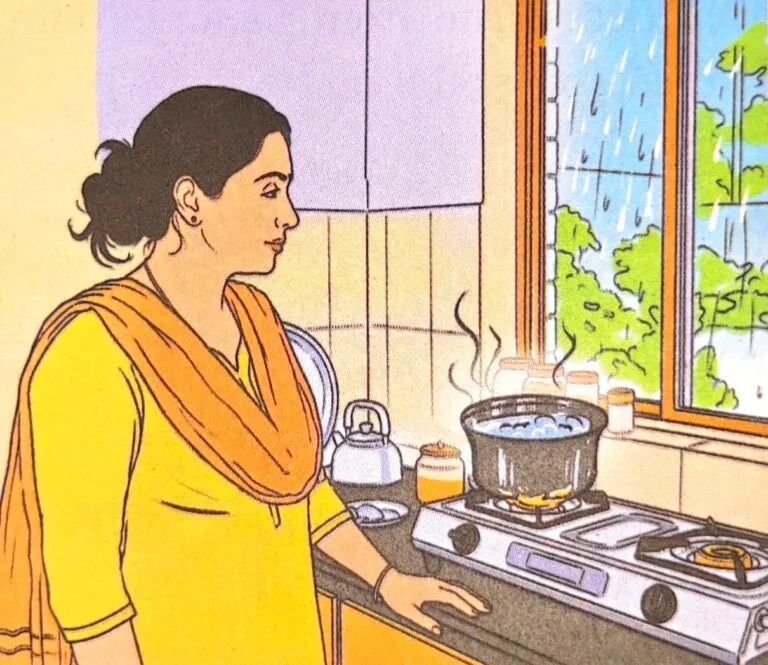
(1) Which method of water purification is being used in the picture?
Ans: The boiling method of water purification is being used in the picture.
(2) For how long should water be boiled to make it safe?
Ans: Water should be boiled for 10 to 15 minutes to make it safe.
(3) Why does water become safe to drink after boiling?
Ans: Water becomes safe to drink after boiling because boiling kills the germs present in the water.
(4) What other ways can be used to purify water?
Ans: Other ways to purify water are filtration, settling (using alum) and disinfection using chlorine tablets or bleaching powder.
(F) Choose the correct option from the given alternatives for the following questions and write the answers.
(1) Which of the following is NOT a source of water?
(a) River
(b) Forest
(c) Lake
(d) Well
Ans: (b) Forest
(2) What causes soil pollution?
(a) Planting trees in the soil
(b) Throwing waste and plastic in the soil
(c) Saving water
(d) Washing cattle in the soil
Ans: (b) Throwing waste and plastic in the soil
(3) What is the most important use of water?
(a) For mopping the floor
(b) For playing
(c) For drinking
(d) For washing vehicles
Ans: (c) For drinking
(G) Write what you will do.
(1) To ensure that water on the roof is not wasted…
Answer: I will collect the rainwater from the roof and store it for future use.
(2) To prevent water pollution…
Ans: I will not throw plastic, garbage, chemicals, or dirty water into rivers, lakes, or ponds.
(3) To prevent soil pollution…
Ans: I will not throw plastic, waste, or harmful chemicals on the soil and will use organic fertilizers whenever possible.
(4) While walking on the road you see a water tap left running…
Ans: I will close the tap immediately or inform an elder so that water is not wasted.
(5) Due to the rain, muddy water is coming out of the tap at home…
Ans: I will not drink the muddy water. I will let it settle, filter it, and boil it before using it for drinking.
(H) Note down how much water is used in your house for the following actions in one day. Compare your notes with those of your friends.
| Sr. No. | Action | Approximate Amount (Bucket/Pot) |
|---|---|---|
1 |
For Bathing | |
2 |
For Washing Clothes | |
3 |
For Washing Dishes | |
4 |
For Drinking |
Ans:
| Sr. No. | Action | Approximate Amount (Bucket/Pot) |
|---|---|---|
1 |
For Bathing |
4 Buckets |
2 |
For Washing Clothes |
3 Buckets |
3 |
For Washing Dishes |
2 Buckets |
4 |
For Drinking |
1 Pot |
For other Lessons: